Exeter Research Exposes Asian Hornets' Threat to Pollinators: A Critical British University Study
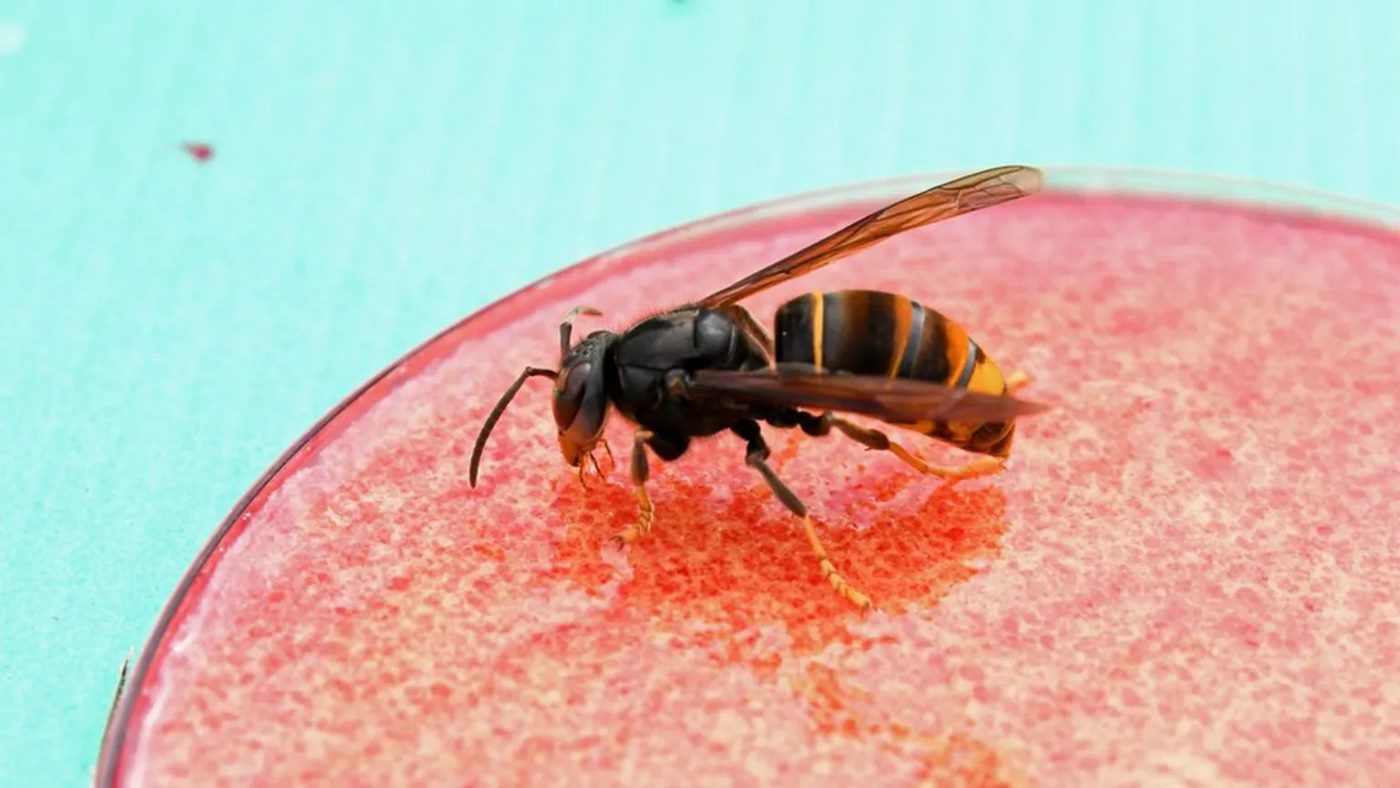
The delicate balance of our ecosystems faces numerous threats, from habitat loss to climate change. Now, groundbreaking research conducted by British researchers at the University of Exeter has unveiled a more insidious danger: the surprisingly broad and devastating diet of the invasive Asian hornet (Vespa velutina). This comprehensive study, recently published in the scientific journal Science of the Total Environment, provides unprecedented insight into how these formidable predators are preying on a vast array of native insect species, including Europe's most vital pollinators, significantly exacerbating existing environmental pressures.
For years, the Asian hornet has been recognized as a serious threat to honey bee populations. However, the true extent of their dietary impact remained largely unquantified. This pioneering work by the British university's team meticulously catalogued the diverse diet of these invasive insects, revealing a far more complex and alarming picture than previously understood. The findings underscore the urgent need for heightened vigilance and strategic interventions to protect our biodiversity and food security.
Unmasking the Asian Hornet's Diverse Diet: A British University's Insight
The study, spearheaded by lead author Siffreya Pedersen and senior colleagues at the University of Exeter's Institute for Environment and Sustainability, involved an extensive analysis of Asian hornet samples collected across a wide geographical range, including France, Spain, the Channel Island of Jersey, and the United Kingdom. Samples were gathered throughout the hornet's entire active season, providing a comprehensive snapshot of their feeding habits across different times and regions. This diligent approach allowed the British researchers to piece together a detailed understanding of the hornet's opportunistic predation.
Utilizing an advanced molecular technique known as ‘deep sequencing,’ the research team meticulously examined the gut contents of over 1,500 Asian hornet larvae. Larvae consume food supplied by adult hornets, making their gut contents a reliable indicator of the adults' prey. This method allowed the scientists to identify DNA fragments from the prey species, even when the prey was highly digested. The results were startling:
- Approximately 1,400 different species were identified within the hornets' digestive systems.
- While the European honey bee (Apis mellifera) was indeed the most frequently observed prey species, found in all investigated nests and nearly all larvae, the diet was remarkably diverse.
- Other identified prey included a wide range of native bees, wasps, various fly species, beetles, butterflies, moths, and even spiders.
This remarkable dietary flexibility highlights the Asian hornet as a highly adaptable and formidable predator. "The diet varied strongly across seasons and between regions, demonstrating that they are very flexible predators," explained Siffreya Pedersen. This adaptability allows them to exploit local prey availability, making them a consistent threat across varied landscapes and times of the year. The comprehensive nature of this work by the British university researchers provides crucial data for understanding the ecological threat.
The Silent Threat to Europe's Pollinators and Ecosystems
The implications of this broad diet extend far beyond individual honey bee colonies. The Exeter study provides compelling evidence that Asian hornets pose a significant, additional threat to overall insect biodiversity, particularly for species vital to our ecosystems. Insects play indispensable roles, from pollination and pest control to nutrient cycling and decomposition. The decline of insect populations globally is already a major concern, driven by factors such as habitat destruction and chemical pollution.
Alarmingly, of the top 50 invertebrate prey species identified in the hornet's diet, 43 are known flower visitors. Among these were three of Europe's most crucial crop pollinators:
- The European honey bee (Apis mellifera)
- The buff-tailed bumblebee (Bombus terrestris)
- The common carder bee (Bombus pascuorum)
These species are fundamental to the reproduction of numerous wild plants and a significant proportion of agricultural crops, directly impacting food production and natural ecosystem health. Peter Kennedy, from Exeter’s Institute for Environment and Sustainability, stressed the gravity of the situation: “Our study provides important additional evidence of the threat Asian hornets pose as they spread across Europe.” With invasive species like the Asian hornet spreading rapidly – Flanders alone reported 7,655 nests last year – the cumulative pressure on native insect populations is immense.
The ability of hornets to target such a wide array of pollinators means they are not just impacting honey production but are actively disrupting the intricate web of interactions that sustain healthy plant communities and agricultural yields. This extensive predation could lead to ripple effects throughout entire ecosystems, affecting everything from fruit and seed production to the survival of birds and other animals that depend on insects for food.
Understanding the Hornet's Impact: Practical Implications and Future Steps
The findings from this pivotal research by British researchers at the University of Exeter are not merely academic; they carry profound practical implications for conservationists, policymakers, and the public alike. Understanding the full scope of the Asian hornet's predatory habits is the first step towards developing more effective management and control strategies.
Actionable Advice:
- Vigilance and Reporting: Public awareness is crucial. Everyone, particularly those in affected or at-risk areas, should learn to identify Asian hornets and report sightings promptly. Early detection is key to containing nascent infestations.
- Targeted Control: Knowing the hornet's diverse diet can help refine control methods. While honey bee apiaries are prime targets, control efforts might need to consider broader ecological impacts to protect a wider range of vulnerable insects.
- Support Research: Continued funding and support for studies by British university researchers and international collaborators are essential. Despite challenges faced by British academics following Brexit, their contributions to understanding pan-European environmental threats, such as this one, remain invaluable. Collaboration across borders is vital for managing invasive species that do not respect political boundaries.
- Habitat Protection: Strengthening native insect populations through habitat restoration and reducing pesticide use can make ecosystems more resilient to the additional pressure from invasive predators.
- Community Involvement: Local bee-keeping associations, environmental groups, and government agencies must work together to educate the public and coordinate monitoring and trapping efforts.
This comprehensive study by the British university researchers serves as a stark reminder of the interconnectedness of nature and the cascading effects that an invasive species can have. It provides crucial scientific backing for arguments supporting stronger measures to prevent the further spread and mitigate the impact of the Asian hornet.
Conclusion
The diligent work by British researchers at the University of Exeter has shed critical light on the extensive predatory range of the Asian hornet, revealing its significant threat not just to honey bees but to a vast array of vital pollinators and broader insect biodiversity across Europe. This robust scientific evidence underscores the urgency of addressing the Asian hornet invasion with comprehensive, collaborative strategies. By understanding the full spectrum of their impact, we can better protect our delicate ecosystems, safeguard agricultural productivity, and preserve the crucial services that insects provide. The continued dedication of British university researchers, working on such globally significant environmental issues, is paramount for a healthier, more sustainable future.